
I was interviewed by William Burr for CBC’s Radio Canada on the law of fitness in preparation for the Judge’s decision on the fitness of the accused in this case.
There is a publication ban on the proceedings apart from the outcome – Judge found the accused fit to stand trial today, on multiple counts of murder and attempted murder.
Some of my comments are included in the radio piece: https://ici.radio-canada.ca/ohdio/premiere/emissions/phare-ouest/segments/rattrapage/2171058/comment-determine-t-on-si-une-personne-est-apte-ou-non-a-subir-son-proces
And in this tv piece on a separate but related story yesterday : https://ici.radio-canada.ca/tele/le-telejournal-colombie-britannique/site/segments/reportage/2171438/sante-mentale-proces-attaque-couteau
French version of print article here:
https://ici.radio-canada.ca/nouvelle/2190601/aptitude-psychologique-subir-proces-lo
English Translation (a little rough) reproduced below.
Understanding,What is psychological fitness for trial?
Understanding,What is psychological fitness for trial?
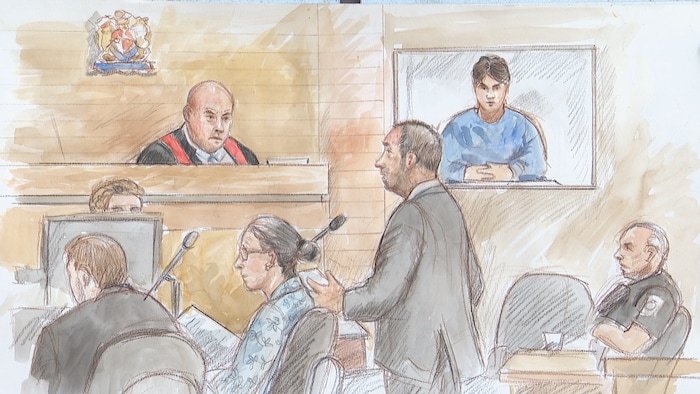
The hearing regarding the aptitude of Kai Ji Adam Lo, August 22, 2025. Mr. Lo appeared via videoconference. Judgement on his ability to stand trial will be heard on Wednesday.
Photo by Sheila Allan
Published yesterday at 8.39 a.m. EDT
Listen to the article
The audio version of this article is generated by voice synthesis, a technology based on artificial intelligence.
A judge will make his decision on Wednesday on the psychological ability of Kai Ji Adam Lo to stand trial. The 30-year-old man is accused of killing 11 people in April, when a vehicle hit a crowd at the Lapu Lapu festival in Vancouver. But what exactly does psychological ability to stand for trial mean?
What is psychological fitness?
Under the Criminal Code, the ability is a person’s ability to understand the nature of a cause and the possible consequences of a cause, as well as the ability to communicate with his or her lawyer.
The principle of fitness stems from the old idea that the State should not pursue someone in its absence
, explains Richard Schneider, a retired psychiatrist and judge, who has often presided over hearings to determine the suitability of accused.OTHER ON INFO: Russian drones in Poland: NATO will defend “every centimetre” of its territory
From this emerged the idea that not only must the accused be physically present in order to confront the accusing State, but also that he must be mentally present.
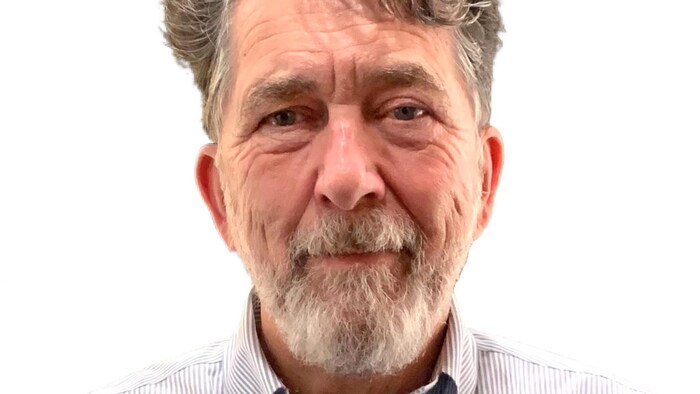
Dr Richard Schneider is a psychiatrist and a retired judge. He presided over dozens of hearings to establish the psychological fitness of the accused.
Photo by Richard Schneider
To be read also:
- Lapu Lapu’s drama: court hears arguments about Kai Ji Adam Lo’s ability
- Criminal non-responsibility: when psychiatry invites itself to the witness bench
- Brandon Metallic would have falted his unfitness
When an accused has symptoms of mental disorder, the judge, the prosecutor or the defence counsel may request an aptitude assessment. However, the mere fact of having a mental disorder is not enough to arrive at a declaration of incapacity.
For example, you may think that you have a tumor in your arm, that itches you and that means you have Ebola virus disease. And it doesn’t matter, as long as it has no influence on your understanding of what’s going on in the courtroom and the charges you’re on,
says Anita Szigeti, a lawyer specializing in justice and mental health issues.
The fitness is established at the present time and has nothing to do with the mental state of an accused at the time of a crime. The ability may change from one day to the next and often improves with the help of psychiatric care.
This is something that can happen and happen again with particularly vulnerable defendants throughout a trial. The court may have to re-examine the question of fitness
on , says Richard Schneider.
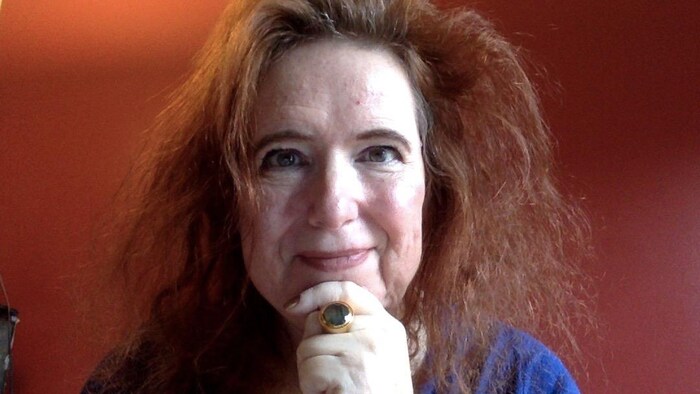
Lawyer Anita Szigeti represented clients found to be non-criminally responsible for more than 30 years.
Photo: provided by Anita Szegeti
How is aptitude determined?
At a fitness hearing, the Crown and the defence interview forensic psychiatrists who assessed the accused by asking him questions about his understanding of the trial.
The majority of people unfit to go to trial suffer from an acute mental illness, such as psychosis, schizophrenia, or bipolar disorder, says Gary Chaimowitz, a forensic psychiatrist who has made hundreds of aptitude assessments.
A small percentage of cases involve people with cognitive problems, such as brain injury.
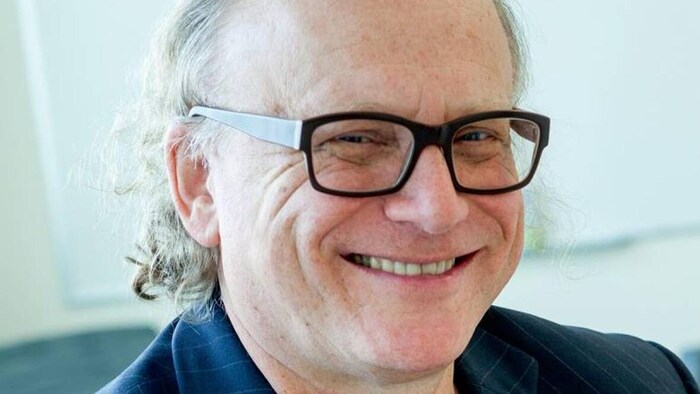
Dr. Gary Chaimowitz is a forensic psychiatrist, professor of psychiatry at McMaster University and head of the Forensic Psychiatric Program at St. John’s Health Centre. Joseph’s in Hamilton, Ontario.
Photo: McMaster University
I would say that, on average, forensic psychiatrists say that about 75% of people are able to stand trial, that about 20% are unfit, at least in our view. … In about 5% of the cases, we are not in a position to give an opinion in one way or the other.
The final decision is legal rather than medical, and is the responsibility of a judge or a jury.
In cases of notoriety, when the stakes are higher and more resources are devoted to litigation, it is not uncommon for experts not to agree on an individual’s ability or unfitness
, says Schneider.
What happens when an accused is declared unfit?
An accused person who is found unfit to stand trial is usually detained in a psychiatric hospital, where he is being cared for, hoping that he will become fit. It’s kind of like pressing the pause button in the context of legal proceedings. This does not mean that the prosecution
disappears, says Schneider.
After receiving treatment, the accused is re-evaluated in terms of his ability after 30 days, 60 days and then once a year by the review panel of his province. It is composed of lawyers, retired judges, psychiatrists and civilians.
I have a lot of clients who are spending decades in safe psychiatric hospitals. And don’t forget that, at this point, they haven’t been convicted for anything.A quotation fromAnita Szigeti, lawyer
In some cases, a court may declare a person permanently unfit due to permanent cognitive impairment, says Anita Szigeti. And if it is determined that the person is not dangerous, his or her accusations can be suspended.
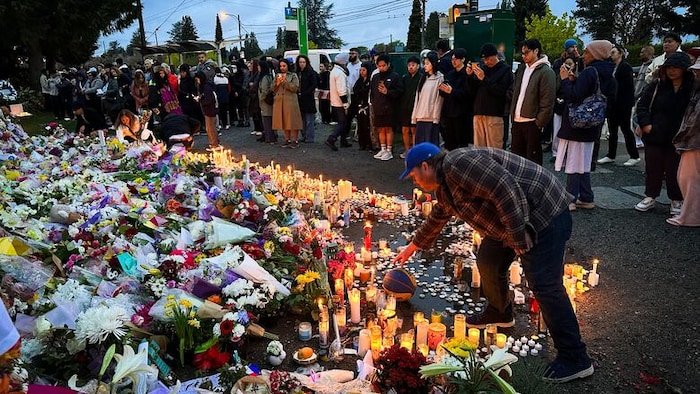
People gathered in front of a memorial in Vancouver on April 28, 2025, in honor of the victims of a ram attack. The judgement on the ability of the accused to be tried in this case will be heard on Wednesday. (Photo by archive)
Photo: Radio-Canada / Nav Rahi
The difference between incapacity and non-criminal liability
Once an accused is declared fit, his trial moves forward. However, a court may determine that the accused, who is fit to stand trial, was not criminally responsible for an act in the past, because of his mental state at the time of the offence.
This happened in the case of Vince Li, the man deemed not criminally responsible for stabbing and beheading Tim McLean on a Greyhound bus in July 2008.
However, while it is difficult to prove incapacity, it is very difficult to obtain a verdict of non-criminal responsibility, says Anita Szigeti.
So it’s not like we’re distributing candy to people. It’s not a pass right to get out of prison. … This is a very high threshold.
In the case of Mr. Lo, a publication ban covers almost all facts about his aptitude hearing, but a media consortium contests the ban.


 anitaszigeti