
Reporting by Jessica Mach for Law Times suggests Benchers last night gave the impression the CEO compensation matter is largely closed and the focus is moving forward.
Personally I’ve never heard so many members so incensed. I think perhaps disclosure of the O’Connor report may not paint a full enough picture of the cost of this debacle without disclosure of the actual cost of all the reports and consultation / advice associated with this troubling episode.
Motions can also be brought for disclosure of the price tag. A lot of licensees are quite motivated to seek transparency and accountability. I don’t see the bar moving on so fast. Wishing for this doesn’t make it so.
The other thing that deeply troubles many Ontario LSO members is the silencing of all Benchers within Convocation and the reported threats of disciplinary proceedings against those who would speak out publicly regarding the Society’s handling of this entire episode.
One does feel for Benchers who no doubt exist who are advocating for the Report’s release. I do.
But here is what’s really wrong with what’s happening and where we are headed unless lawyers keep up the pressure for transparency and accountability on this issue.
The LSO wants members to accept that governance review and possibly revision will address what’s happened without need to actually address what’s happened.
The problem is there’s nothing wrong with their governance structure or bylaws – they were clear and worked well until a handful of individuals either didn’t understand them (best case scenario) or chose to ignore them (worst case scenario.) Either way we deserve better than leadership that is either incompetent or corrupt.
I don’t see any way out for the Society without consequences for those individuals with direct involvement in the situation. The Report I expect identifies those individuals and sets out their roles in all this. Without transparency around that, there is no moving forward.
The Society has already spent our fees on:
1. Diana Miles’ exorbitant salary and the increases in her compensation
2. The Gallagher Report – first compensation Review
3. The Towers Report – second compensation Review and review of the Gallagher Report
4. the O’Connor Investigation / Legal Opinion
5. The GT & Co PR firm to manage the Society’s Image
and now there’s a proposal to retain “governance experts” to advise on whether the by-laws should be revamped.
Nobody wants even more money squandered on needless bureaucratic reviews or retaining more “experts”.
They know what happened – now do what you do vis a vis licensees. Hold those responsible accountable.
Questions Left Unanswered Based on Publicly Available Information to Date
There is a very comprehensive list of 10 Questions we are all left with in the wake of this fiasco, compiled by Tax Lawyer Carl Irvine on LinkedIn that I really commend to everyone following this story here:
And Here is the Law Times Piece:
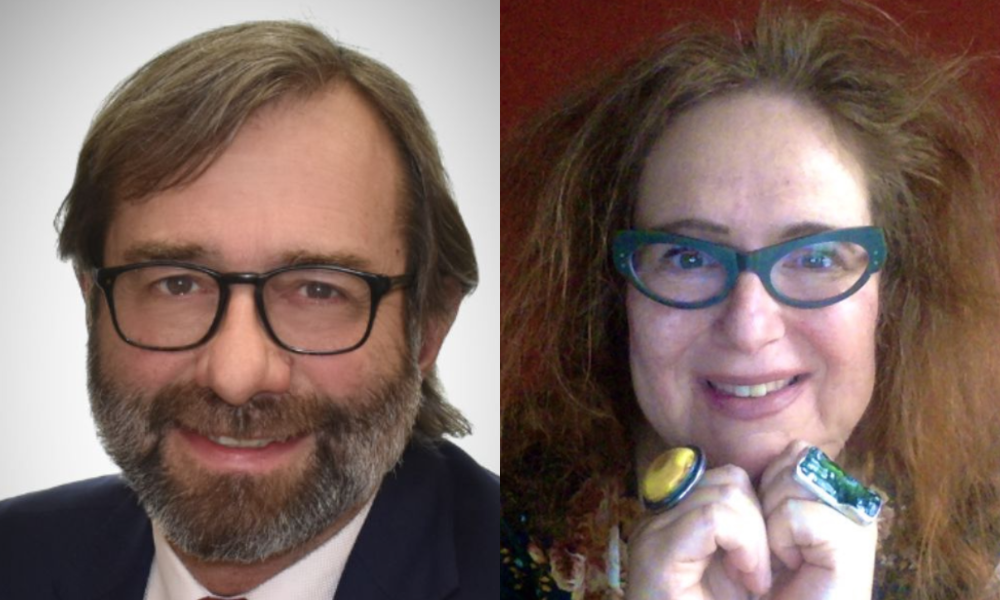
Law Society bencher says ‘serious unfinished business’ remains after meeting on CEO pay hike report
LSO benchers met Thursday to discuss the fallout of a report on its ousted CEO’s cryptic salary hike
BY Jessica Mach 21 Mar 2025

A recent Law Society of Ontario statement indicated that the regulator is weighing disclosing a confidential report on its ousted chief executive officer’s pay hike, but multiple sources with knowledge of the matter say the statement is at odds with the tone of the meeting that immediately preceded it.
Benchers – members of the LSO’s governing board, or Convocation – met on Thursday evening to discuss the fallout of a report prepared by former associate chief justice of Ontario Dennis O’Connor, among other things. Finalized at the end of February, the report looked at the cryptic circumstances of a near-50 percent pay increase for Diana Miles, the legal regulator’s CEO since 2017, which occurred without the benchers’ approval or knowledge.
Miles departed the LSO in early March, hours after the LSO disclosed O’Connor’s report to benchers for the first time. Since then, individual lawyers and multiple legal organizations have called for the report to be released to LSO licensees or the general public.
After the meeting, LSO treasurer Peter Wardle released a statement indicating that he’d unveiled to benchers an action plan to reform the regulator’s process for executive compensation and related decision-making.
That action plan includes unveiling by-law amendments at the benchers’ next meeting on April 24th, which define the role of the regulator’s compensation committee and “specify that changes to the CEO’s compensation must be approved by Convocation.” The plan also includes recommending broader reforms, including working with a governance expert to review a code of conduct for benchers.
Acting CEO Priya Bhatia will meanwhile “introduce policies to establish more robust checks and balances where significant changes to executive compensation are recommended by the Compensation Committee,” and make information and materials related to the business of Convocation and its committees more accessible.
Wardle said the benchers also discussed O’Connor’s report, which he called a “legal opinion.” Acknowledging that the LSO has received public requests for the report’s disclosure, Wardle said, “this is a live discussion and one that Convocation does not take lightly, given the privileged and sensitive contents of the opinion.”
He added the regulator will come to a decision on whether to release the opinion.
However, others said the tone of the meeting suggested that the LSO is eager to move on from the debacle.
LSO bencher Murray Klippenstein, who was present at Thursday’s meeting, told Law Times that the regulator’s “plan appears to be all about going-forward changes, without dealing with what happened in the past.
“What happened in the past actually has some serious unfinished business remaining, including recovery of significant amounts of money, personal professional accountability of maybe eight or so people, and disclosure to the profession of what happened, to abide by our values of integrity and honesty,” Klippenstein adds.
A second source, whom Law Times is not naming because they are not authorized to speak about the situation, says the general sentiment of the meeting was that the matter is largely closed.
Both Klippenstein and the anonymous source say that the LSO has threatened benchers with disciplinary proceedings and litigation for speaking publicly about the matter.
A spokesperson for the LSO told Law Times in a statement, “In communicating about the special meeting of Convocation, treasurer Wardle reminded benchers that all benchers, including the treasurer, are required by the Bencher Code of Conduct to maintain the confidentiality of materials for and the deliberations of meetings or portions of meetings that are held in the absence of the public and to not comment publicly on matters that have been considered in the absence of the public.
The spokesperson added that LSO bylaws provide “that no person shall disclose any information in relation to Convocation held in the absence of the public.”
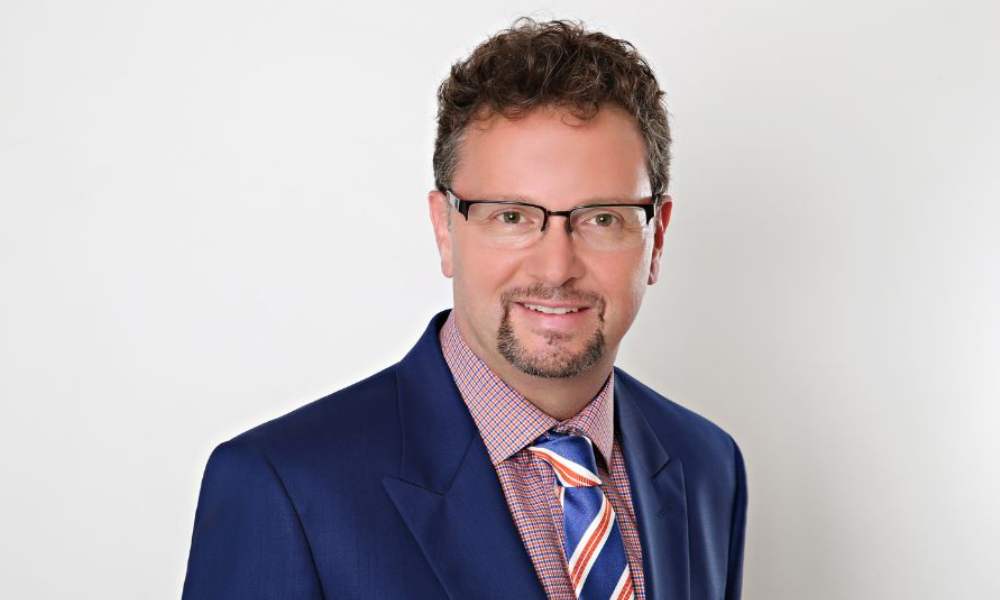
Thursday’s developments follow calls by multiple legal organizations to release the O’Connor report. On March 11th, the Federation of Ontario Law Associations sent a letter to Wardle, stating, “good governance dictates that independent investigations of public entities be published.” FOLA represents roughly 12,000 practising lawyers across 46 law associations outside of Toronto.
FOLA Chair Allen Wynperle, who authored the letter, added that “creating a governance structure and putting in place safeguards to prevent this from happening again depends heavily on the particulars and the details, which licensees and the public have a right to know.”
Days earlier, the presidents of the Law and Mental Disorder Association and Women in Canadian Criminal Defence, which collectively represent fewer than 1,000 lawyers across Canada, also sent letters to Wardle demanding that the LSO disclose the report to licensees. The letters called for waivers or refunds of their members’ annual LSO fees, and asked Wardle to meet with the organizations.
Anita Szigeti, who serves as president of LAMDA and secretary of WiCCD, says that Wardle has agreed to meet with the organizations next week. Wardle also responded to Wynperle’s letter, writing that when he found out about Miles’ pay hike, he “recognized it as a situation that was deeply concerning and needed to be handled with urgency and in a way that would promote trust in our organization.”
Szigeti, who is not a bencher, says if the LSO does not release the report by the time of the regulator’s annual general meeting, whose date has not yet been announced, she is “absolutely prepared” to bring a motion to the meeting to demand the report’s disclosure.
According to a notice regarding the regulator’s 2024 annual general meeting, motions brought to the meeting must be signed by 10 lawyers or paralegals whose licenses are not suspended at the time of signature.
“There are a lot of people who have indicated that they think that a motion in this case is warranted if the report is not released,” Szigeti says.
Related stories
- ‘Mistakes need to be aired and rectified’: FOLA joins calls for LSO to disclose report on CEO salary
- Diana Miles out as LSO CEO hours after benchers given access to report about her pay increase
Law Society bencher says ‘serious unfinished business’ remains after meeting on CEO pay hike report
‘Mistakes need to be aired and rectified’: FOLA joins calls for LSO to disclose report on CEO salary
Copyright © 2025 KM Business Information Canada Ltd.



 anitaszigeti
Pingback: Justice in Pieces – The Law Society CEO Salary Scandal April 30 2025 | anitaszigeti