
From the Ottawa Citizen
 |
https://ottawacitizen.com/news/ottawa-police-coroner-recommendations-abdi
Ottawa police address coroner’s recommendations stemming from Abdi death
‘These recommendations are more than just suggestions. They offer us a road map to become a better, more accountable police service.’
Author of the article:
Published Jan 27, 2025
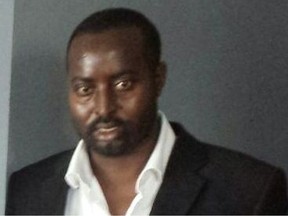
The Ottawa Police Service is appointing Staff Sgt. Devon Archer to lead a comprehensive program to address a coroner’s detailed list of recommendations following the 2016 death of Abdirahman Abdi.
Abdi, a 38-year-old who experienced mental health challenges, died following an interaction with police.
In December, a coroner offered 57 recommendations, including three that were directly aimed at OPS.
Chief among the advice is that officers wear full body cameras, that OPS establishes a mental health advisory group to enhance officer training and that the Ottawa Police Services Board receives a full report from the police chief whenever the Special Investigations Unit examines incidents involving officers.
“These recommendations are more than just suggestions,” Chief Eric Stuffs told the police services board Monday afternoon. “They offer us a road map to become a better, more accountable police service. Mr. Abdi’s death caused immense pain for his family and friends and the community. Rebuilding our relationship with the Somali community is not just a priority, it’s a responsibility that we take seriously.”
Stubbs says that Archer’s history as a community engagement officer, working with marginalized communities, makes him ideal for the leadership role.
The police services board is scheduled to hear what progress Archer has made at its April meeting, including the makeup of the advisory team.
“It will take some time to identify those members, get the council working, and they’ll be providing us with input on how we’re going to deliver and implement some of these recommendations,” said Stubbs.
In a briefing with the media before the police services board meeting, Stubbs said the some of the coroner’s directions are “complex … and we will have to be very thoughtful and we have to be very realistic on how we can deliver some of the recommendations.”
Stubbs says that it’s unlikely OPS officers will be sporting body-worn cameras until 2026, due to the cost of implementing a program.
“It’s not the actual cameras that are the problem,” he said. “It’s the back-office help that you need to manage all the video that you produce every day.”
Processing the video produced by 40-60 officers each day is a major commitment.
Stubbs is also anxious to expand the Anchor Program, a pilot project involving mental health experts that is currently working with police in Centretown.
“There are some (other) areas in the downtown core that do have more calls for service in that regard,” said Stubbs. “The vulnerable population that we see in Lowertown, Sandy Hill, ByWard Market, Sandy Hill area. The more assistance that we can give those folks that are non-police related would be ideal.”
Our website is your destination for up-to-the-minute news, so make sure to bookmark our homepage and sign up for our newsletters so we can keep you informed.
Recommended from Editorial


 anitaszigeti