
Women’s gender-related health issues when coupled with aging are the last taboo in some ways. So taboo, we can barely say it out loud.
How often have you heard the words “menopause” or “perimenopause” uttered in the context of any legal conference CPD or on a blog about women practising law? I’ve never seen it myself.
I tried hard not to think about menopause at all before I went through it, didn’t fully understand it as I went through it and now that I stand proudly “post-menopausal”, I reflect on the whole thing.
I am left wondering mostly how we, as professionals, suffer all this kind of stuff in isolation, barely able to acknowledge how our physical health is changing and how it may affect our work. We are silenced and would never suggest that the profession should acknowledge these realities by trying to understand them, minimally, and ideally accommodate whatever anyone might need, just as we are urging the profession to understand and appreciate the challenges associated with pregnancy, child-bearing and post-partum periods, mat leave etc.
By contrast, the phrase “work-life balance” is so worn out now, we can barely stand to hear it after thousands of repetitions of this mantra every time someone attaches Professionalism accreditation to it. Well it’s hard to find this sacred balance when you’re struggling with your physical and mental health for a decade going through this “thing.”
My first thing about it is that it is really stupidly named. I guess menopause means when your periods stop. I think we should reclaim and rename it something like “The Wise Years” or the “Wisdom Era” or how about this: “The Gift of WGAF” – that stands for Who Gives A *&%# – which is actually my experience in that this part of my life has been largely marked with finally really not caring, even an iota, what anybody thinks.
I’ve recently had some candid and helpful conversations with a few colleagues – thank you to the women who raised the issue with me and your insights. I had a few things to say about the stigma and shame attached to this discussion that contributes to the silencing around it, which is glaringly evident.
Talking about why women are mortified and terrified to talk about their experiences of menopause, I wrote (in part) this:
That’s because we are often not seen as women but when you’re on older woman you are completely invisible – people just look past you like you’re not there.
The solution to that, like with anyone else dismissed routinely is to say “Hey, I AM here” and make yourself impossible to ignore – which I’ve been doing my whole life so it comes naturally to me, but not to everyone.
But women are terrified that if they admit to being older, they’ll be even more ignored.
I also reflected on why it’s so difficult to find anyone willing to discuss it, openly, even among just ourselves, and particularly in the criminal defence bar. Basically there are precious few women over 50 left practising criminal law for the defence, who have not defected to the Crown or Judiciary. And there’s no remedying that for this generation.
We can only hope to try to address this devastating problem of, excuse me, bleeding women out of defence, by opening up dialogue that will try to address the very significant very real issues women in this corner of the profession are facing. Like this “thing.”
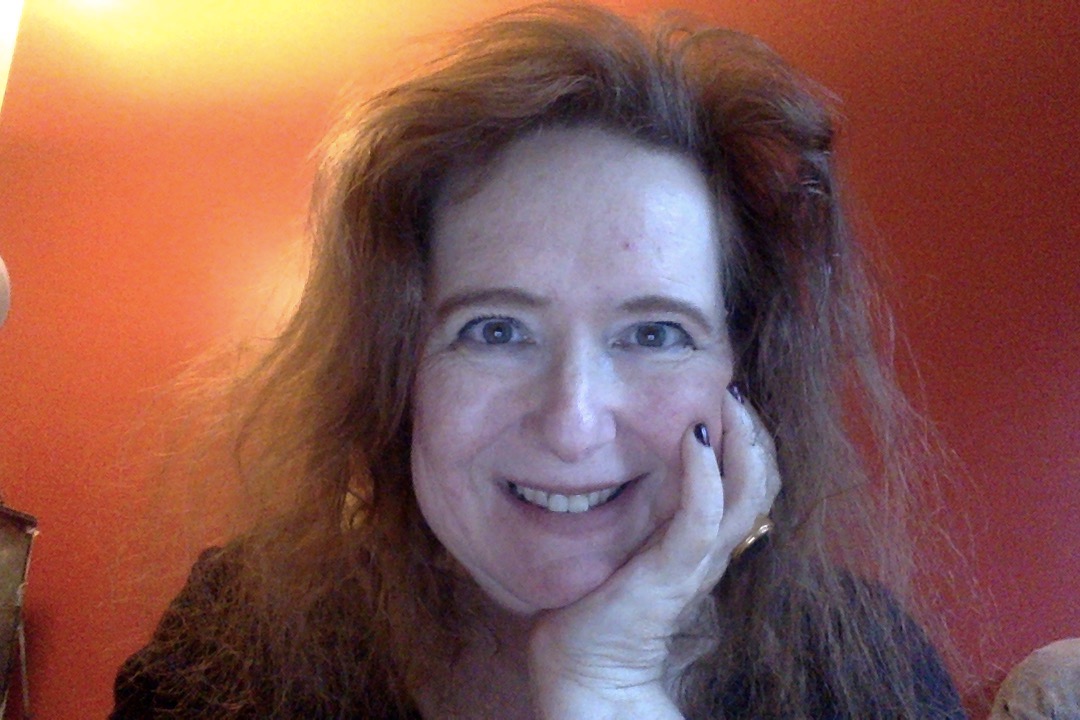
Anyway, this is 58 — 10 years past the onset of “WGAF” to which I was an early inductee I guess and ultimately, the richer for it – but it’s a decade of rollercoaster stuff you’re left to navigate alone…..
Post-script – new next Group or Sub-Committee of Remote Calls or Senior Counsel for WiCCD:
WGAF(F) = Wise Gals Achieving Fame (and Fortune) OR …… WGA Flying ….. both work well


 anitaszigeti
Pingback: Mental Health of the Legal Profession and the LSO | anitaszigeti